A Practical Guide to Choosing a Mattress Type for Sleep Style
A thoughtful, non-commercial explorer of how your sleep style informs mattress choices, with science-backed guidance and timeless design insights.
Understanding sleep style helps narrow mattress options. Whether you favor a firmer cue for back support or a softer embrace for side relief, your dominant sleep position, body weight, and personal comfort points shape the best match. This guide translates these details into practical questions and considerations, highlighting how materials such as memory foam, latex, and innerspring differ in contouring, temperature regulation, and long-term durability.
In a world full of product buzz, this article keeps the focus on evidence-based reasoning, sensory comfort, and room design that supports healthy sleep. Think of it as a trusted companion for readers who want clarity, not hype, when evaluating mattress options that align with their sleep biology and living space.
Key elements of mattress selection
To make a confident choice, begin with these core dimensions: support, pressure relief, temperature management, durability, and personal preferences. Each category interacts with sleep position and body weight, producing distinct needs for alignment, spinal integrity, and nighttime comfort.
- Support and alignment: Proper support maintains a neutral spine from head to hips. People who sleep on their back often require stable support along the entire length of the body, while side sleepers prioritize relief around shoulders and hips.
- Pressure relief: A mattress should cushion high-pressure zones without causing misalignment. Materials with contouring properties—like memory foam or latex—offer different balances of sink-in feel and bounce.
- Temperature regulation: Breathability and moisture management influence comfort through the night. Look for materials that promote airflow and moisture wicking, especially for sleepers who overheat.
- Durability and maintenance: Longevity matters for recurring comfort. Consider the expected lifespan of the core material, the cover fabric, and how sleeping environments (humidity, temperature) can affect performance over time.
- Personal preferences: The feel of a mattress—firmer, medium, or soft—should align with your sleep style and comfort history. Don’t overlook motion isolation if you share a bed, or the ease of turning and getting out of bed.
Material families and how they influence sleep
Understanding the broad categories helps readers translate abstract marketing claims into real-world sensations. Here are the main families and how they typically perform in daily sleep.
Memory foam
Memory foam contours closely to the body's shape, providing consistent pressure relief and strong motion isolation. It often feels slower to respond, which can reduce partner disturbance but may feel warm for some sleepers.
Ideal for: those seeking targeted pressure relief and quiet motion transfer.
Latex
Latex offers resilient support with natural bounce and cooling potential. It tends to be breathable and durable, with a responsive feel that many sleepers describe as balanced between contouring and support.
Ideal for: combination sleepers and those valuing a responsive surface with longer longevity.
Innerspring (coil) systems
Traditional and hybrid innerspring designs provide robust support with varied coil gauges and configurations. They often promote stronger edge support and airflow, which can help keep temperatures down in warmer climates or bedrooms with limited ventilation.
Ideal for: sleepers who prefer a more traditional, supportive feel and cooler sleep surfaces.
Hybrid and other blends
Hybrids combine coils with foam or latex layers to try to offer the best of both worlds: support from coils with the contouring of foam or latex. Temperature behavior varies by design, so check the actual layering and cover materials.
Ideal for: sleepers who want a mixed experience and adaptable performance.
A framework for evaluating mattress options
When shopping for a mattress without a sales pitch, it helps to adopt a simple framework. Use a short checklist to compare options side by side, focusing on core needs rather than brand promises. The framework below can be applied to in-store trials or online sleep trials.
- 1) Identify sleep style: Are you a back sleeper, side sleeper, stomach sleeper, or a combination? Your predominant position informs which zones require more support or cushioning.
- 2) Assess weight and pressure points: Heavier bodies typically need more support to prevent excessive sagging, while lighter bodies may crave more subtle contouring.
- 3) Examine core materials: Memory foam for contouring and motion isolation; latex for bounce and cooling; coils for support and edge reinforcement.
- 4) Evaluate temperature behavior: Look for breathable covers, open-cell foams, and design features that promote airflow.
- 5) Check durability and care: Consider the expected lifespan, warranty terms, and whether the cover and foams are easy to maintain.
Non-commercial, science-forward considerations
A key challenge in mattress guidance is separating evidence from hype. Sleep science is a dynamic field, with ongoing research about how mattress surfaces influence spinal alignment, muscle recovery, and sleep depth. While a mattress cannot fix all sleep issues, pairing a well-chosen surface with a supportive foundation and a sleep-friendly environment can meaningfully improve nightly comfort and overall well-being.
Readers should look for credible summaries, transparent methodology, and clear takeaways. When possible, consult peer-reviewed studies or guidelines from sleep research organizations, and consider a trial period that allows you to test a surface in your own sleep environment.
Historical perspectives: three figures who shaped our understanding of sleep and bedding
To add texture and human connection, here are three influential figures from different eras who contributed to how we think about sleep, comfort, and rest. Their ideas continue to inform how we approach mattress design and the bedroom as a space for renewal.
1) Florence Nightingale (1820–1910)
A pioneer of modern hospital design and public health, Nightingale’s emphasis on cleanliness, air quality, and environment as a determinant of well-being resonates with today’s focus on sleep environments. Her insistence on good ventilation and light informs contemporary bedroom layouts that prioritize natural light, fresh airflow, and clean, hygienic spaces—foundations for a restful night’s sleep.
2) Sealy and the dawn of mattress innovation (mid-20th century)
Named after the brand that became synonymous with modern innerspring technology, this era marks a shift toward engineered support systems and standardized testing. The evolution from basic springs to layered comfort foams and engineered fabrics mirrors how contemporary sleep products blend support with pressure relief, teaching us to value structured design alongside subjective comfort.
3) Dr. W. Christopher Winter (late 20th–early 21st century)
A prominent sleep physician and researcher, Winter emphasizes the practical side of sleep health—how room environment, circadian cues, and ergonomics intersect with sleep quality. His work supports a holistic view: mattress choice is part of a broader design of sleep-friendly rooms, including lighting, temperature, and noise considerations that contribute to restorative rest.
Practical steps: turning knowledge into a sleep-friendly bedroom
With a solid understanding of mattress types and sleep styles, you can translate insights into concrete room decisions. The following steps help create a cohesive, sleep-supportive space that aligns with the educational goals of The Spring Bedroom.
- Define your sleep priorities: Decide whether you prioritize cooling, contouring, or support-based stability. Write down your top three needs.
- Match a mattress family to your style: If you sleep hot, look for breathable latex or coil-and-foam hybrids with cooling designs. If you need precise pressure relief, consider memory foam with proper ventilation or latex layers.
- Test and verify: Take advantage of trial periods and measure your comfort over several weeks. Note changes in morning stiffness, back pain, or sleep onset latency.
- Pair with a supportive foundation: A solid bed frame or foundation enhances the effectiveness of your chosen surface. A stable base helps maintain alignment and reduces micro-movements that disrupt sleep.
- Integrate a sleep-friendly room: Consider ambient lighting, temperature control, and sound management to complement your mattress choice. A calm, uncluttered environment supports easier sleep onset and fewer awakenings.
A curated, non-commercial spotlight: featured products that illustrate design and function
To illustrate how design elements translate into sleep comfort, we highlight select products that exemplify thoughtful construction, material quality, and respectful price points. The focus remains educational and non-promotional, offering concrete examples of what to look for rather than directing purchases.
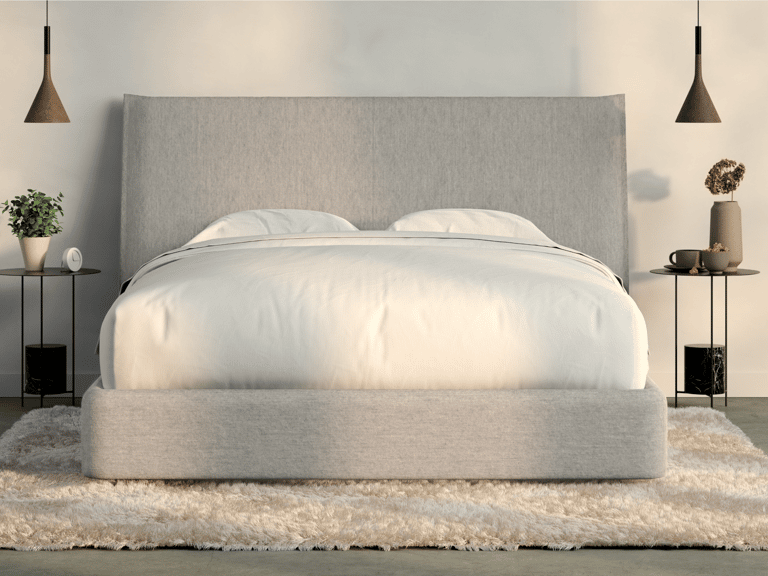
Haven Bed Frame (Casper)
A modern platform frame with felted wool upholstery and a sturdy foundation. This design demonstrates how a clean silhouette and high-grade materials can contribute to a refined sleeping environment without requiring a separate box spring.
Price: $1,895.00
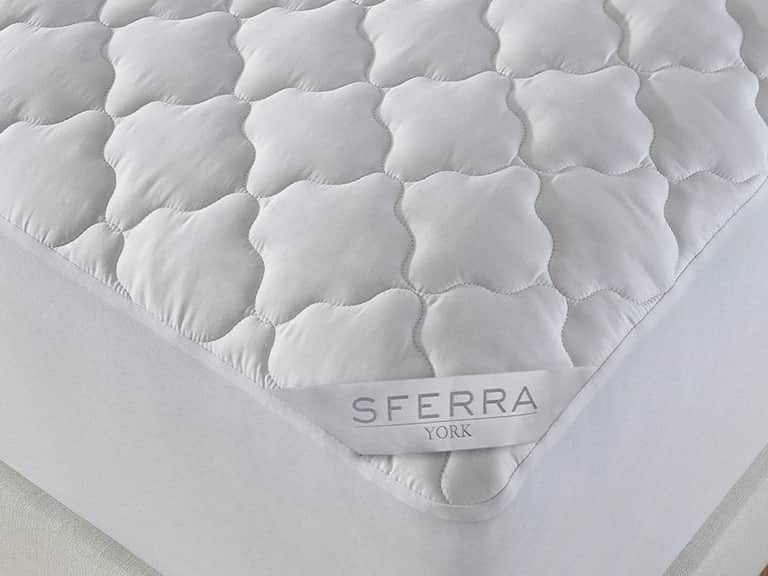
York Mattress Pad (Sferra)
Luxurious down-alternative fill atop a breathable cotton sateen shell, offering loft and comfort while maintaining a cool sleeping surface. A reminder that bedding supports, not only mattresses, contribute to overall sleep quality.
Price: $295.00
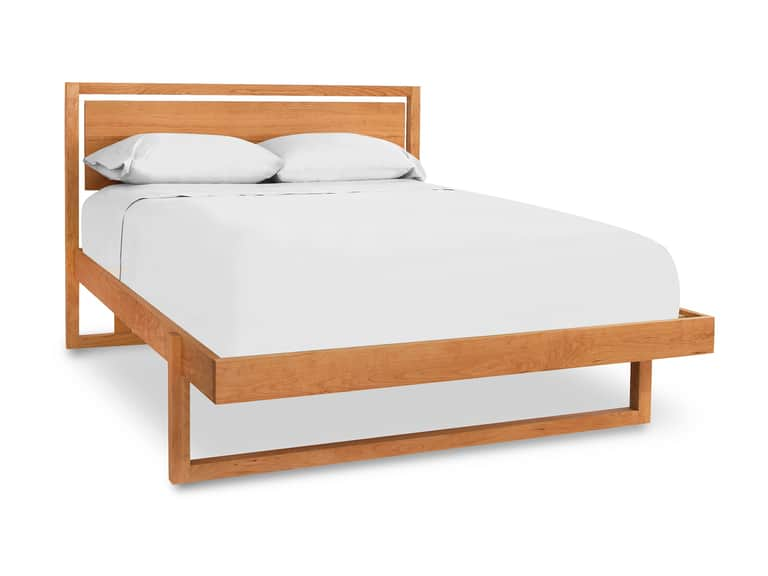
Pendant Bed (Vermont Furniture Designs)
A solid cherry wood bed framed with traditional joinery and a natural finish. It exemplifies how furniture selection sets tone for the room’s ergonomics and aesthetic, reinforcing proper sleep posture through a sturdy base.
Price: $2,635.00
Conclusion: the Spring Bedroom approach to sleep wellness and design
The Spring Bedroom concept centers on the idea that sleep health is inseparable from the environment in which we rest. A thoughtful mattress choice—aligned with sleep style, body mechanics, and personal preference—works best when paired with a calm, accessible room design. By prioritizing evidence-based guidance, practical testing, and timeless aesthetics, you can cultivate a bedroom that feels restorative every night.
As you embark on this journey, remember that mattress selection is a personal decision grounded in comfort, health, and daily vitality. The goal is to create a space where rest comes effortlessly, the mind unclutters, and the body renews itself with every sunrise.